
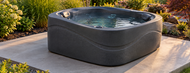
Where to Put Your Free Flow Spa: Foundation, Placement, and Site Prep Before Delivery Day
Posted by HTSS Team on Sep 28th 2026
Where to Put Your Free Flow Spa: Foundation, Placement, and Site Prep Before Delivery Day
Free Flow spas are lighter and easier to install than most hot tubs. Their rotomolded, one-piece construction and plug-and-play electrical setup mean you can have one running in a single afternoon. But "easy to install" still depends on choosing the right spot and preparing it properly. The location you pick affects how much you enjoy the spa, how long it lasts, how easy it is to maintain, and whether your warranty stays intact.
This guide covers how to choose the best location, what kind of foundation Free Flow recommends, special considerations for decks and indoor installs, and how to prepare your delivery route before the spa arrives.
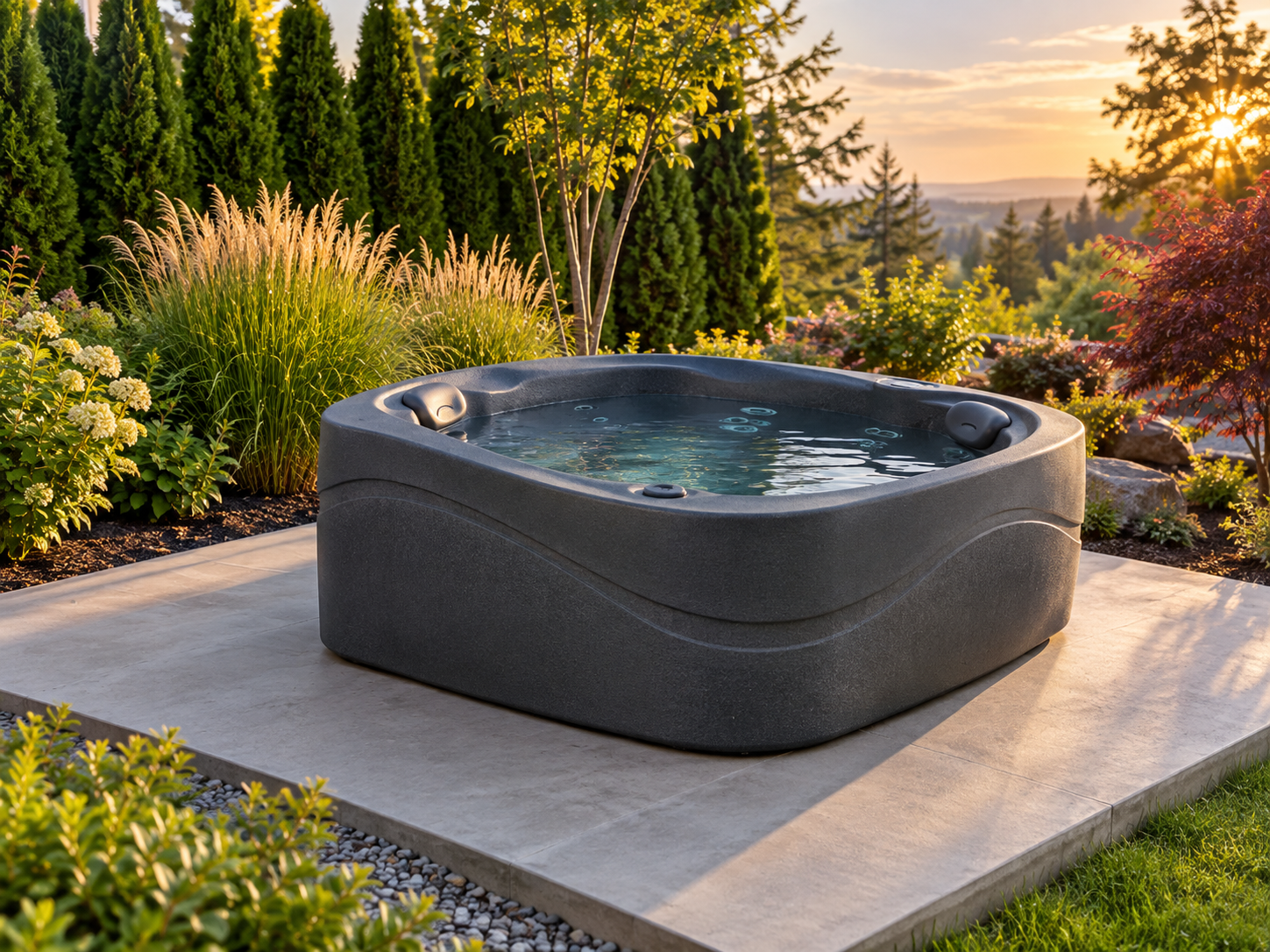
Start With How You Will Use the Spa
Free Flow's owner's manual suggests beginning with a simple question: will you use the spa more for recreation or for relaxation and therapy? A spa mainly for family fun benefits from open space around it for activity and outdoor furniture. A spa mainly for unwinding benefits from privacy and a quiet corner.
Privacy
Think about your surroundings in every season. A spot screened by summer foliage may be fully exposed once the leaves drop. Consider neighbors' windows and second-story views, and plan fencing, lattice, or plantings accordingly.
Views
Picture the direction you will face when seated. A garden, a sunset, or a quiet corner of the yard makes every soak better. Free Flow even suggests noticing spots with a soothing breeze during the day.
Climate and Convenience
In snowy climates, a location close to a house entry or a place to change clothes makes winter soaks much more inviting. In hot climates, plan for shade from trees, a patio cover, or a gazebo. Remember that an empty spa shell should not be left in direct sunlight, and a spa in full sun all day will need its cover on consistently.
Keep It Clean and Serviceable
Dirt tracked into the spa means more filter cleaning and more water care. Free Flow recommends concrete paths and access areas to keep feet clean on the way in. Also look at where water runs off gutters, trees, and shrubs, and avoid placing the spa where runoff or falling debris will land on it.
Service access is just as important. A technician may need to remove the spa's access panel or reach it from beneath. If you plan to surround the spa with tile, decking, or custom trim, leave the equipment access panel reachable. Free Flow recommends designing any special installation so the spa can still be moved or lifted.
Sun, Wind, and Noise
A few environmental factors are easy to overlook until the spa is in place. Wind is one of them. A spot exposed to steady wind pulls heat from the water every time the cover is open and makes winter soaks less comfortable, so a location sheltered by a fence, wall, or hedge is worth a lot, especially on a plug-and-play spa. Direct afternoon sun is another. It can make summer soaks uncomfortably warm and speeds up wear on the cover's vinyl, so partial shade is ideal in hot climates.
Think about sound as well. Pumps and waterfalls are quiet, but they are not silent, and conversation carries at night. Placing the spa away from bedroom windows, both yours and your neighbors', keeps everyone happy. Finally, plan lighting for the path to the spa so it is safe to walk to at night, and keep that path free of loose gravel or mulch that can be tracked into the water.
A Good Foundation Is Your Responsibility
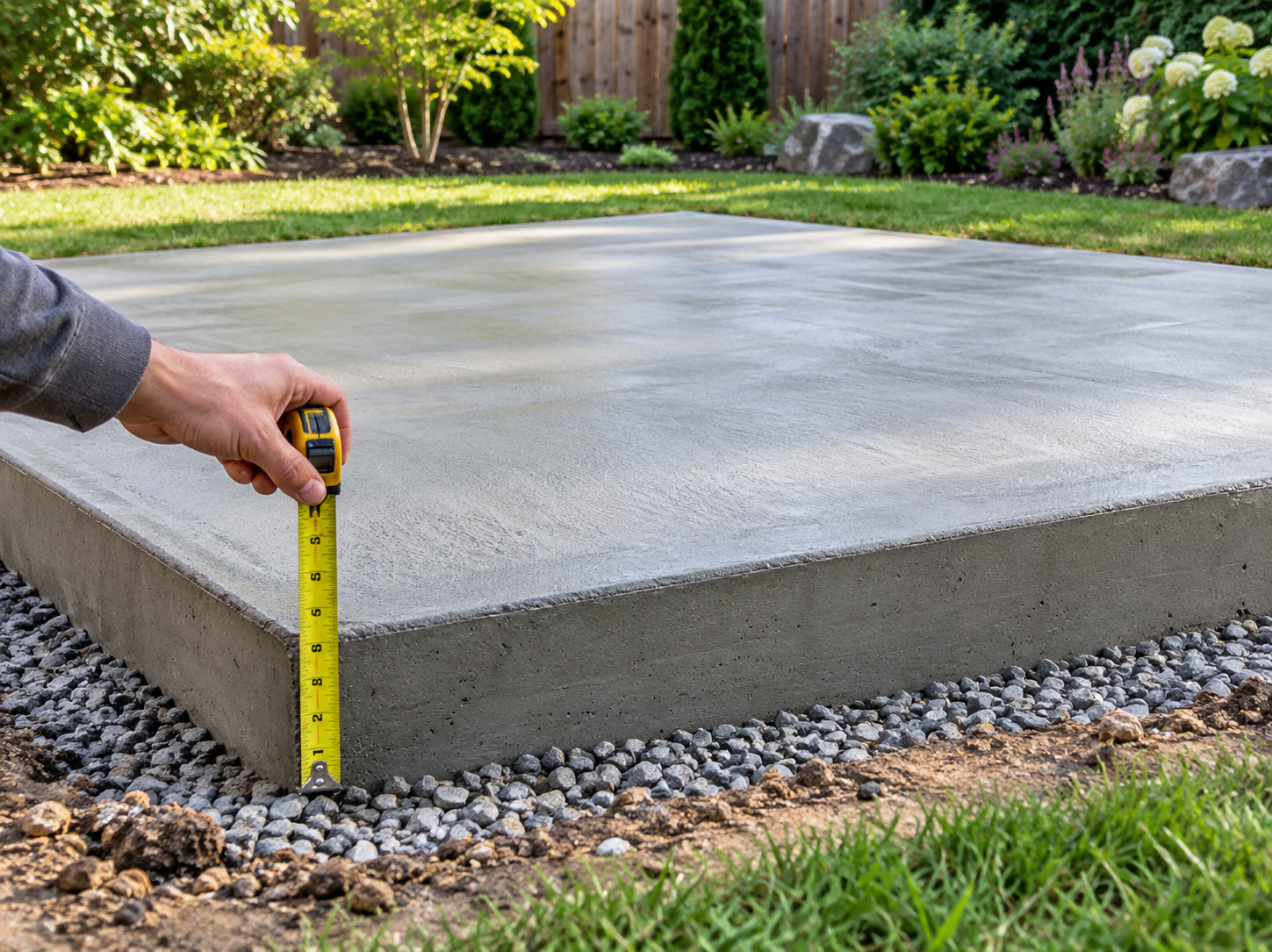
Free Flow's manual is direct on this point: the foundation must support the spa, the water in it, and the people using it. If the foundation is inadequate, it can shift or settle after installation, stressing the shell and components. Damage caused by inadequate or improper foundation support is not covered by the warranty, and providing a proper foundation is the owner's responsibility.
What Free Flow Recommends
- A reinforced concrete pad at least four inches thick, with reinforcing rod or mesh attached to a bond wire.
- A pad that is level, since Free Flow warns not to shim the spa in any way. Shimming can warp the cabinet and void the warranty.
- A surface that drains water away from the spa, keeping components dry in rain and wet weather.
- Preparation by a qualified, licensed contractor, which Free Flow strongly recommends.
How Much Weight Are We Talking About?
Free Flow spas are light when empty. Dry weights in the 2020 lineup range from about 250 pounds for the Mini to about 454 pounds for the Excursion Premier. Water is what adds the weight. Using a common estimate of about 8.3 pounds per gallon, the Mini's 120 gallons add roughly 1,000 pounds, and the 320 gallons in a Monterey add roughly 2,650 pounds, before anyone gets in. That is why a solid pad matters even for a lightweight spa.
Decks and Elevated Surfaces
If you plan to set the spa on a wood deck or other elevated structure, Free Flow advises consulting a structural engineer or contractor to confirm it can support the load. Do not assume an existing deck is strong enough.
Electrical Placement
Free Flow spas ship with a 15 foot GFCI cord that must plug directly into a dedicated, grounded 115 volt, 15 amp outlet. Free Flow prohibits extension cords, so choose a location within reach of a suitable outlet, or have a licensed electrician add one before delivery. Other electrical safety points from the manual:
- Install the spa at least 5 feet from metal surfaces, unless each surface is properly bonded as the manual describes.
- Keep electrical appliances such as lights, radios, and televisions at least 5 feet from the spa.
- Position the spa so drainage flows away from the electrical compartment.
If you may convert to 230 volts in the future, discuss the location with an electrician now, since the disconnect must be readily accessible from the spa but installed at least 5 feet from the water.
Indoor Installations
Indoor spas come with their own requirements. Water will collect around the spa, so flooring must stay grippy when wet. A floor drain is recommended if you are building a new room for the spa. Humidity rises significantly, and moisture can damage walls, ceilings, woodwork, and paper over time, so plan for plenty of ventilation. Free Flow suggests consulting an architect about ventilation, and notes that moisture-resistant paint is available.
One indoor surprise worth knowing: on models with an ice bucket, the ice bucket drain empties at the bottom exterior of the spa. Water appearing at the back of the spa may be from the ice bucket, not a leak.
Plan Your Delivery Route
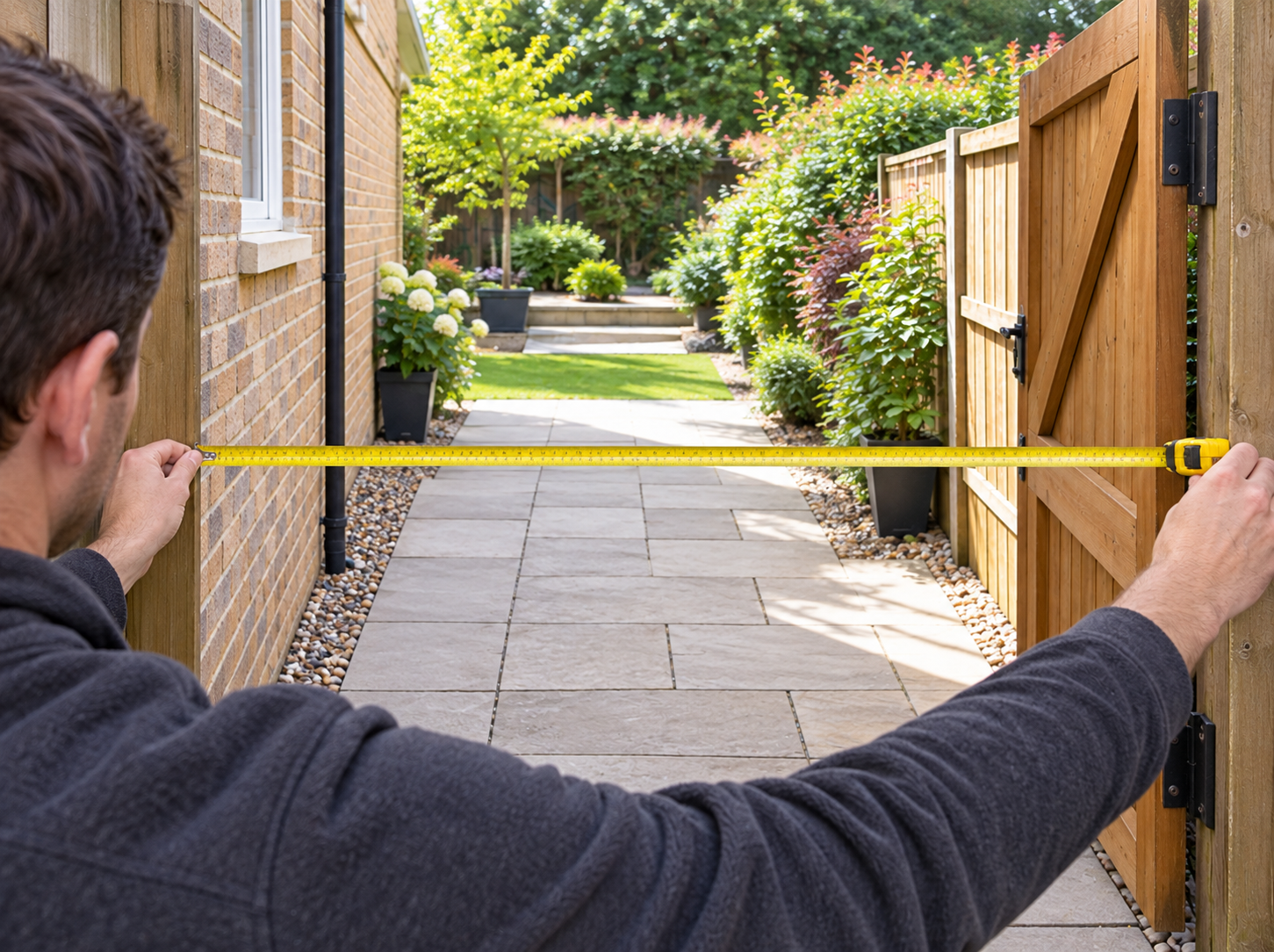
Before delivery day, walk the entire path from the driveway to the spa location with a tape measure. Free Flow recommends checking:
- The width of gates, doorways, and sidewalks compared with the spa's dimensions.
- Any 90 degree turns, measured at the turn itself.
- Obstructions like gas meters, water meters, and air conditioning units.
- Overhead clearance under eaves, branches, and gutters.
You may need to remove a gate or a section of fence temporarily. For difficult sites, a crane may be used to avoid injury to people, the spa, or your property.
After It Is in Place
When you fill the spa for the first time, use a garden hose in the filter compartment and open all jets to let air escape. Free Flow advises against filling with hot or softened water. As the water rises, check the equipment compartment for leaks, since unions and fittings can loosen during delivery and may simply need to be hand-tightened.
A Quick Pre-Delivery Checklist
- Foundation poured, cured, level, and draining away from the spa.
- Dedicated, grounded 115 volt, 15 amp outlet within reach of the 15 foot GFCI cord.
- At least 5 feet from unbonded metal surfaces and electrical appliances.
- Equipment access panel side left clear for service.
- Delivery route measured, with gates or fence panels removed if needed.
- Garden hose, test strips, and start-up chemicals on hand for the first fill.
Frequently Asked Questions
What is the best foundation for a Free Flow spa?
Free Flow recommends a reinforced concrete pad at least four inches thick, level, and prepared by a qualified contractor.
Can I level my spa with shims?
No. Free Flow warns that shimming can warp the cabinet and void the warranty. The foundation itself must be level.
Can I put a Free Flow spa on my deck?
Possibly, but have a structural engineer or contractor confirm the deck can support the filled spa and bathers first.
Can I use an extension cord to reach the outlet?
No. Free Flow prohibits extension cords. Place the spa within reach of its 15 foot GFCI cord, or add a dedicated outlet.
A little planning before delivery pays off for years. Choose a spot that fits how you will use the spa, give it a solid, level, well-drained foundation, keep the equipment panel accessible, and measure your delivery route. Your Free Flow spa will be ready to enjoy on day one and built to last.